
Island Hopping
Hop from island to island to explore the unique biodiversity of the Galápagos. Swim with sharks, turtles, and sea lions, and walk on pristine beaches surrounded by wildlife.

Hop from island to island to explore the unique biodiversity of the Galápagos. Swim with sharks, turtles, and sea lions, and walk on pristine beaches surrounded by wildlife.
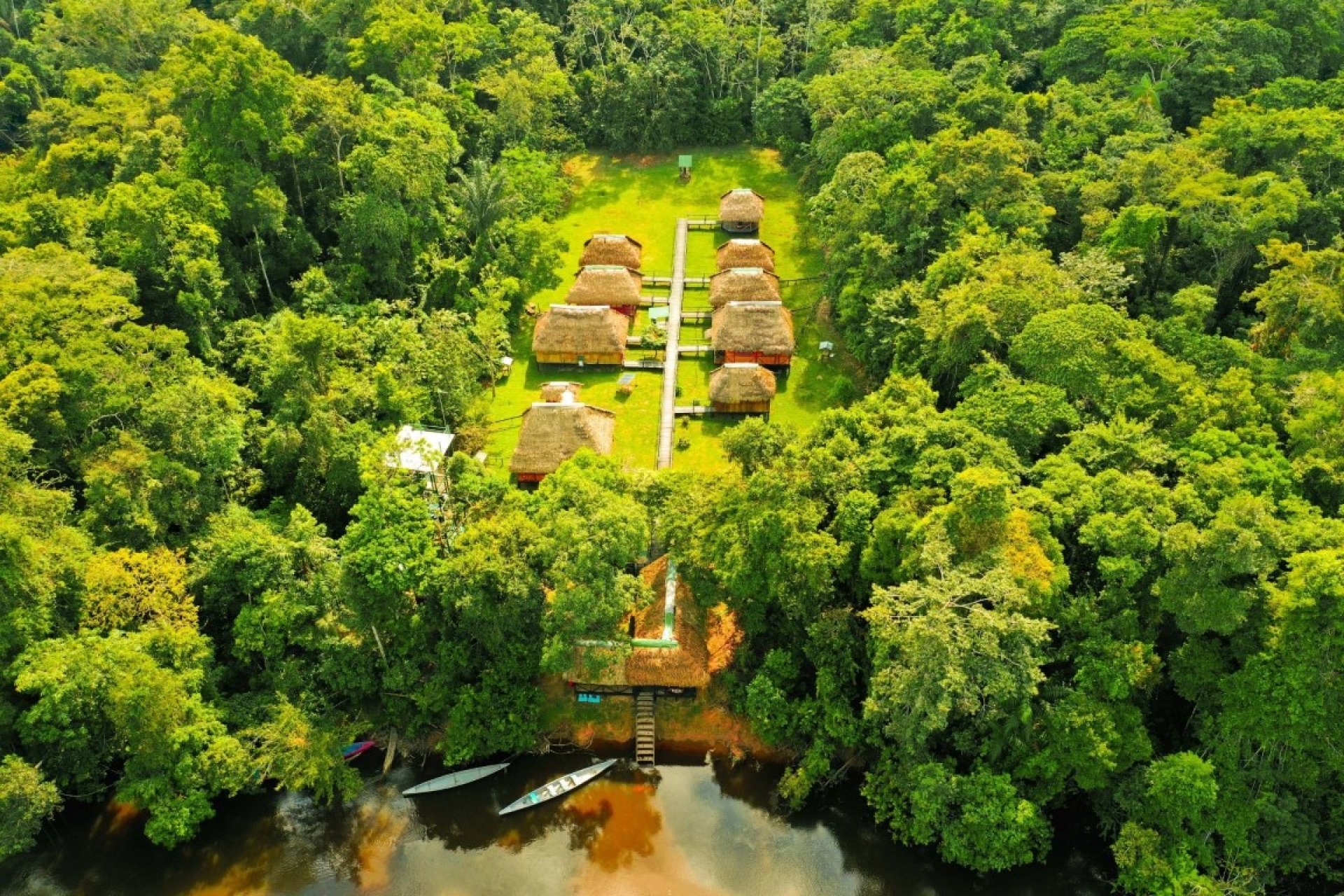
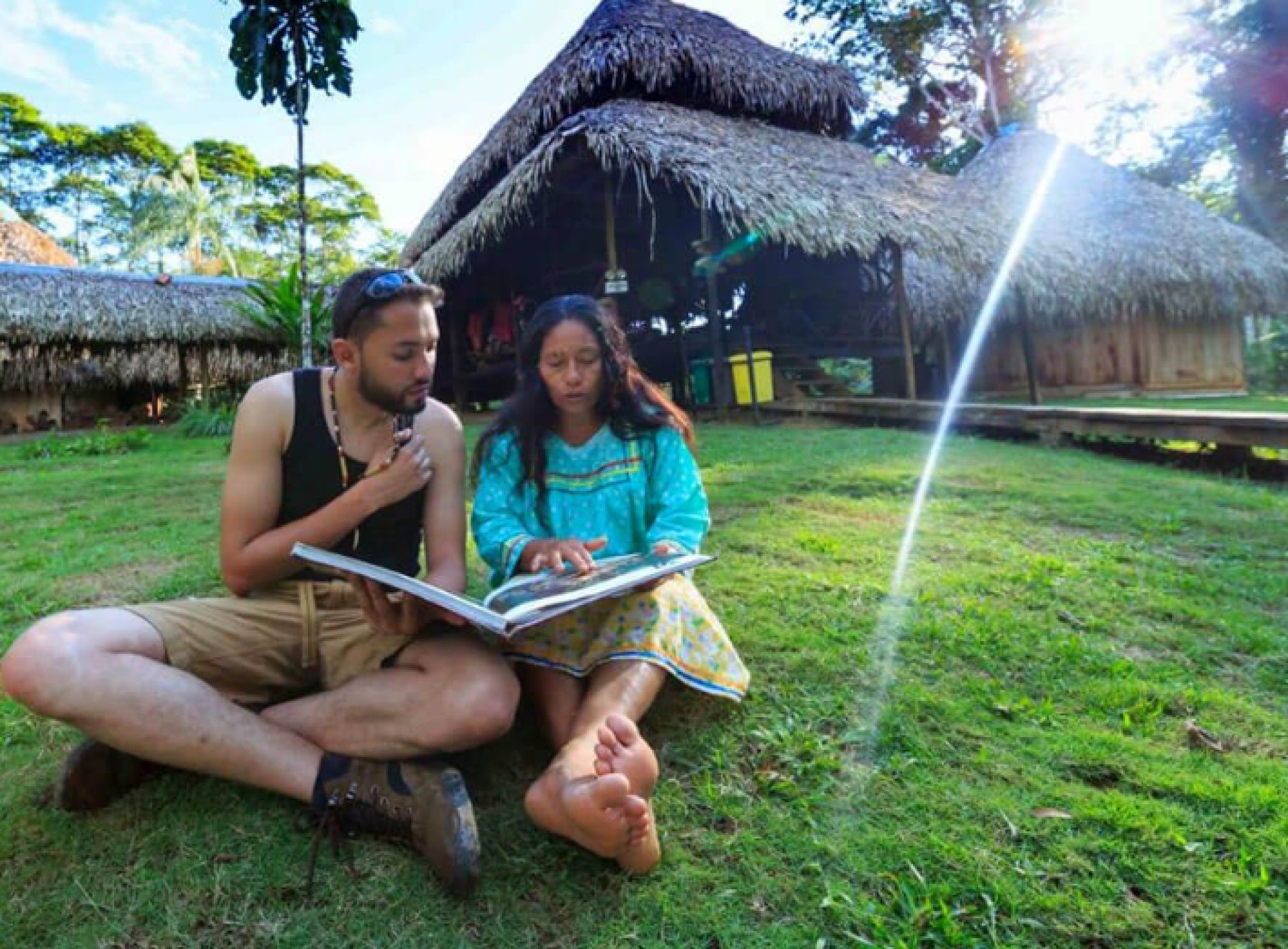
This eco-lodge allows visitors to immerse themselves in the jungle through activities such as guided rainforest hikes, canoe trips, and exotic animal watching, including pink dolphins, monkeys, and tropical birds.
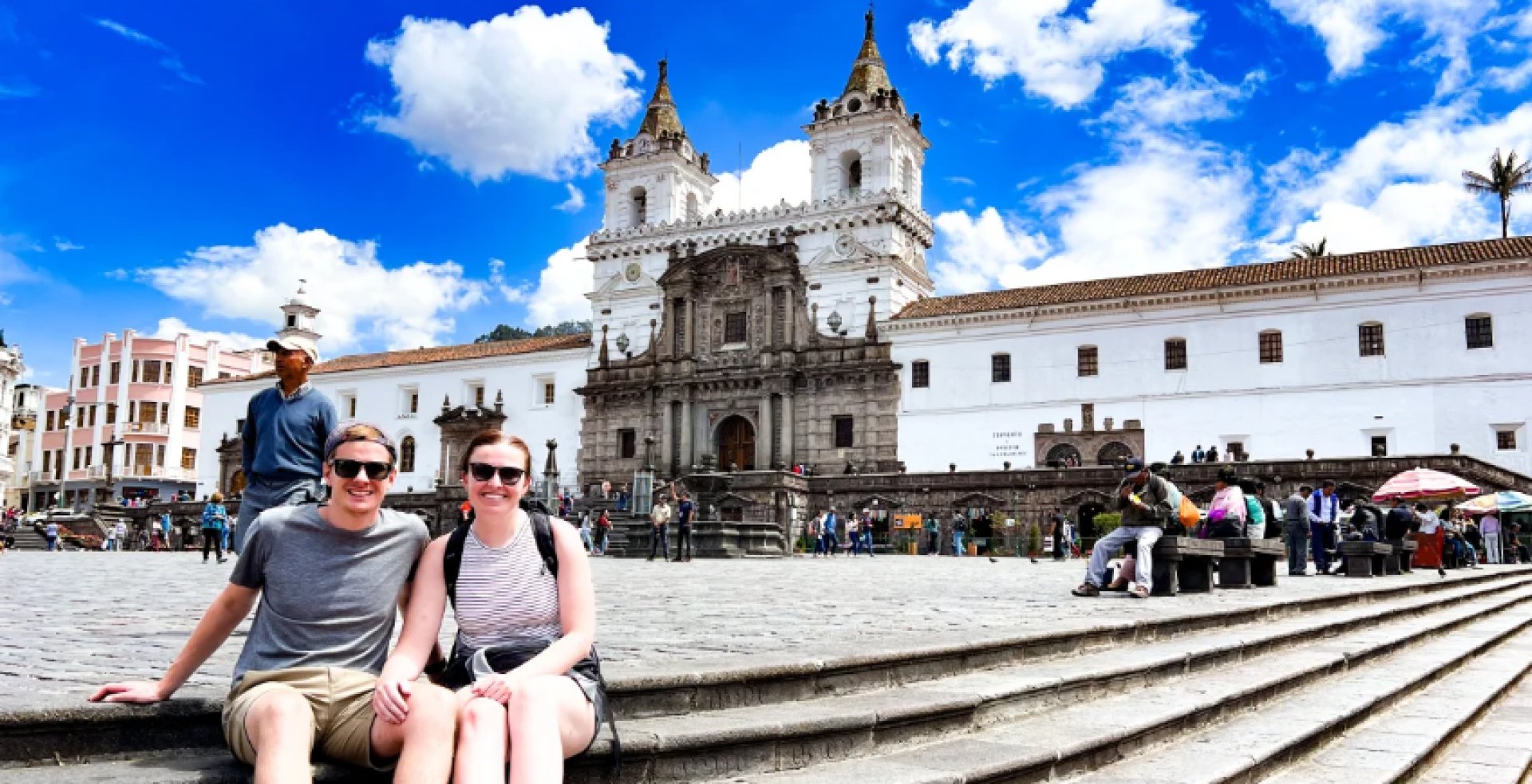
A full day tour of Quito offers a perfect combination of history, culture and geography.
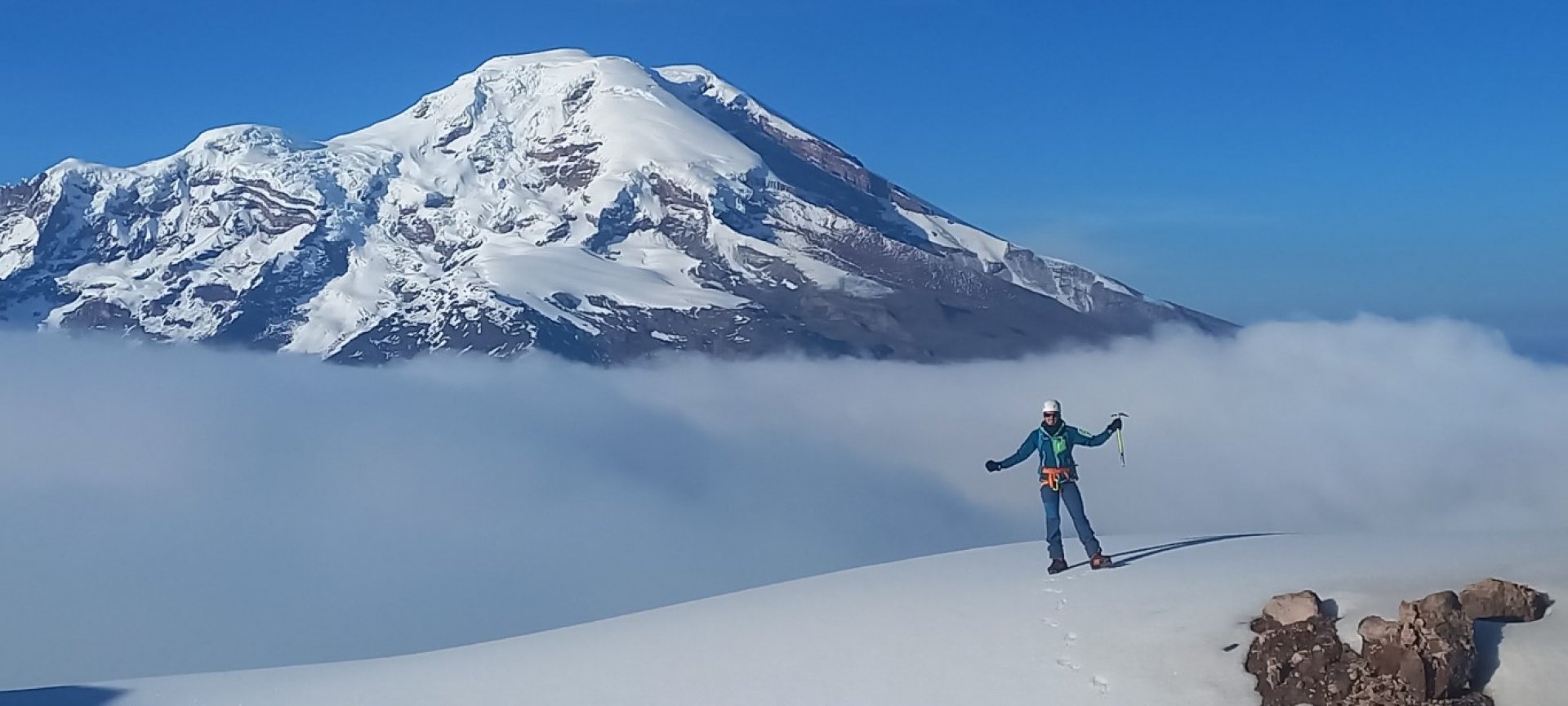
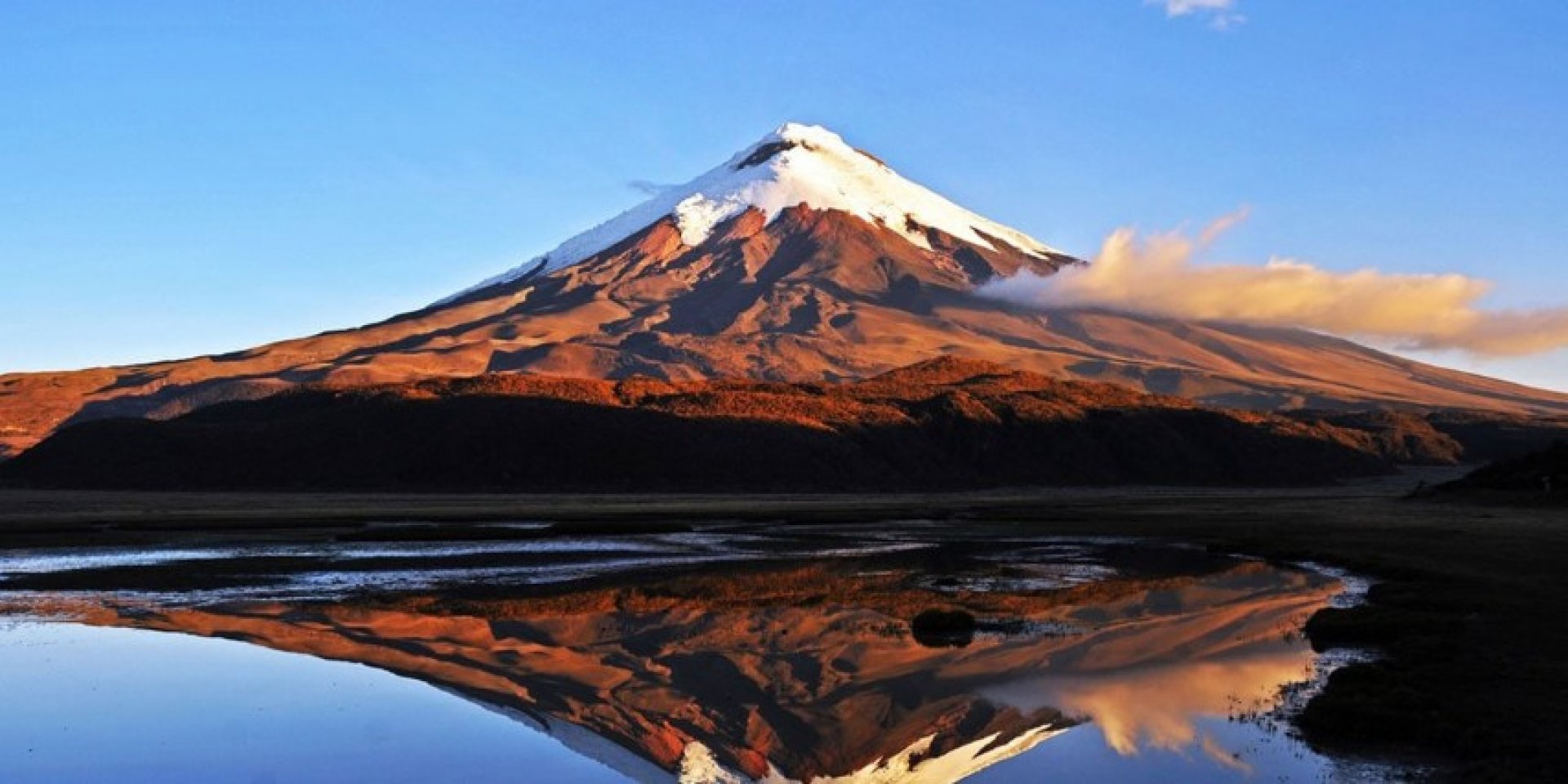
Summiting Chimborazo is a challenging and rewarding experience for avid mountaineers. This majestic top is not only the highest in Ecuador

At the end of the western wing of the property, on the first and second floors, 2 Luxury Rooms, ideal for those seeking

Discover the unique wildlife of the Galápagos Islands aboard the luxurious Isabela II yacht. Immerse yourself in crystal clear waters and admire the natural beauty of these magical islands.

In Ecuador, culture is experienced on every corner. Its festivals are a true display of identity, where food, music, and dance intertwine to create a unique sensory experience. From the colorful festivals of the coast to the Andean processions, each celebration will transport you to a world of deep-rooted traditions.
Ecuador has countless festivities. Here are some of the most well-known ones that you’ll love:
Fiesta de la Fruta y de las Flores
This festival takes place in the city of Ambato, the capital of the Tungurahua province. Between February and March, its streets are filled with joy and color, where the stars of the show are the flowers and the sweetness of the fruits produced during this season. Some activities during this festival include the Pregón (opening parade) which inaugurates the festival, with the parade going through the main streets of the city center. Other highlights include the Queen's Election, the Blessing of the Flowers, Fruits, and Bread, the Parade of Brotherhood, and it concludes with the Night Parade.
La Diablada Pillareña
This festivity takes place in the Santiago de Píllaro Canton from January 1st to 6th each year. Here, you can see the Diablos of Píllaro with their striking outfits and stunning masks, crafted by local artisans over several months. The town bands are also a key part of these festivities, playing everything from sanjuanito and saltashpa to other rhythms like tonada and pasacalle.
La Mama Negra
This celebration occurs in Latacunga and is held twice a year. The first is in September as a religious event showcasing the faith of merchants. The second festival takes place in November, commemorating the Independence of Latacunga.
La fiesta de la Yuca
This ancestral celebration in the Ecuadorian Amazon is especially significant for the Zápara and Kichwa peoples. It takes place between January and March, coinciding with the harvest of this tuber. Beyond just a harvest, it’s a ritual that connects communities with nature and their ancestors. During the festival, you can enjoy various dishes made from yuca, participate in traditional dances and songs, and share chicha, a fermented drink. It's a time to give thanks to Pachamama (Mother Earth) and strengthen community bonds.
Fiesta del Paseo Procesional del Chagra
Held in Machachi, this colorful celebration honors Ecuador’s rural roots. Every July, horsemen dressed in traditional attire parade through the streets to the rhythm of town bands, creating an unforgettable visual and auditory spectacle. Beyond the parade, this festival is an opportunity to connect with the history and culture of the region, enjoy local cuisine, and experience the warmth of the community. It's an event that celebrates Ecuadorian identity and attracts visitors from all over.
Fiesta del Inti Raymi
This is an ancient celebration of the Kichwa peoples of Ecuador, honoring the Sun, considered the main deity. Every June 21st, during the winter solstice, a ceremony is held to give thanks to Pachamama for the harvests and renew the spiritual connection with the universe. Music, dance, and sacred rituals define this festivity, creating an atmosphere of profound connection with the divine.
n Ecuador, culture is experienced on every corner. Its festivals are a true display of identity, where food, music, and dance intertwine to create a unique sensory experience.




Featured

Featured

Featured

Featured